Wildfire Smoke Days: Protecting Your Indoor Air
How to prepare your Tacoma home before smoke season, what to do with your HVAC on smoky days, and what to skip, based on EPA indoor air guidance.
When wildfire smoke drifts into the Puget Sound region, there isn't much warning. One afternoon the mountain disappears, the light turns amber, and the air quality map goes from green to red. The best time to prepare your home is before that happens.
This post focuses on the days themselves: how to get ready, how to run your system while smoke is in the air, and the common habits that make indoor air worse. It draws on the U.S. Environmental Protection Agency's guidance on wildfires and indoor air.
Get ready before smoke season
A little preparation in early summer saves a scramble later.
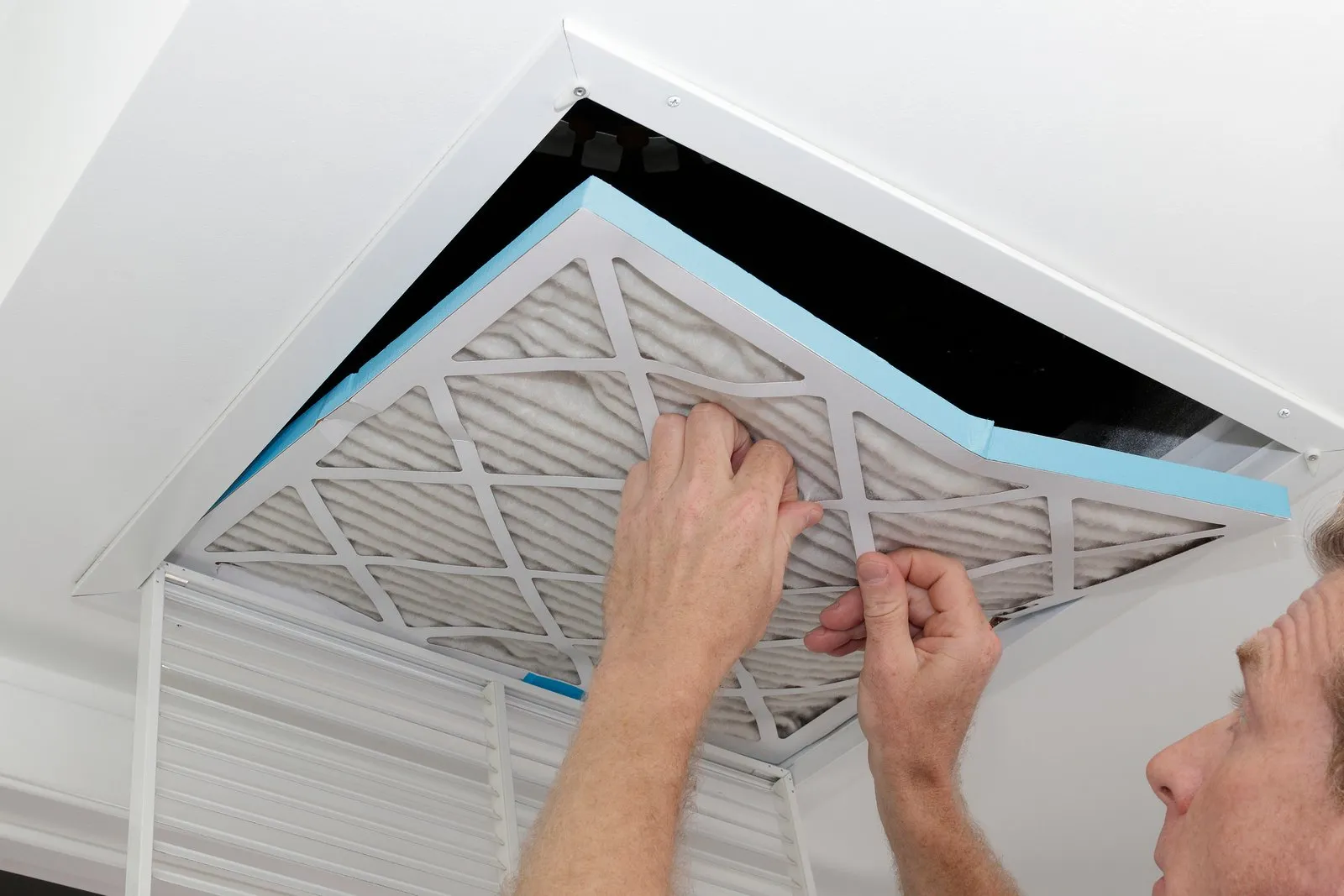
- Buy spare HVAC filters now. Smoke can load a filter quickly, and stores often sell out during smoke events. Find your filter size, printed on the edge of the current one, and keep two or three on hand.
- Know what your system can handle. EPA suggests using a MERV 13 filter, or the highest-rated filter your system's fan and filter slot can accommodate. Some older or smaller systems can't move enough air through very dense filters. Check your equipment manual or ask an HVAC contractor.
- Find your fresh-air settings. If your home has a fresh-air intake or a ventilation system that brings in outdoor air, learn how to close it or switch it to recirculate.
- Pick a clean room. Choose a bedroom you can keep closed, ideally with few windows. EPA recommends creating a clean room with a portable air cleaner for smoke events.
- Consider a portable air cleaner. Choose one sized for the room. EPA also describes do-it-yourself box fan air cleaners as a temporary option, with safety precautions.
On smoky days: running your system
Once smoke arrives, the goal is to keep outdoor air out and filter the air already inside.
- Close windows and doors. Keep them closed while air quality is poor, unless the heat indoors becomes unsafe.
- Switch to recirculate. Close fresh-air intakes if your system has them.
- Run the fan. Setting the thermostat fan to "on" instead of "auto" keeps air moving through the filter, even when the system isn't heating or cooling.
- Check the filter often. Look at it every few days during a long event. Replace it when it's visibly loaded.
- Run portable air cleaners in the rooms where people spend the most time, especially bedrooms.
If you have a window air conditioner or a portable unit that pulls in outside air, check the manual. Some have a setting to close the outdoor air damper.
What not to do
Some everyday activities add particles to indoor air at the worst possible time. EPA advises reducing these during smoke events:
- Burning candles or incense
- Using a wood stove or gas fireplace
- Frying or broiling food without a range hood that vents outside
- Smoking indoors
- Vacuuming with a vacuum that doesn't have a HEPA filter, which can stir up settled particles
Also skip ozone generators and "air purifiers" that intentionally produce ozone. EPA cautions against using them.
After the smoke clears
When air quality returns to normal, air out the house and replace the HVAC filter, even if it isn't due. Wipe down return grilles and register covers in the main rooms.
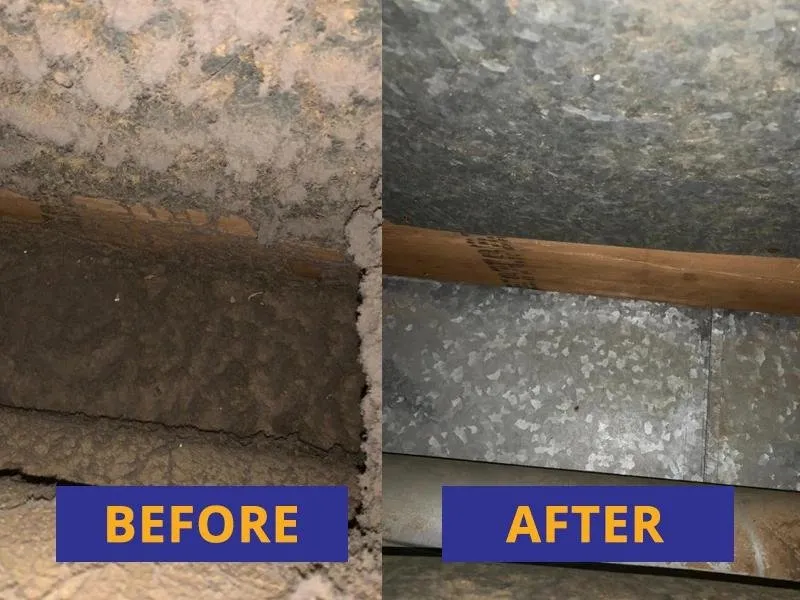
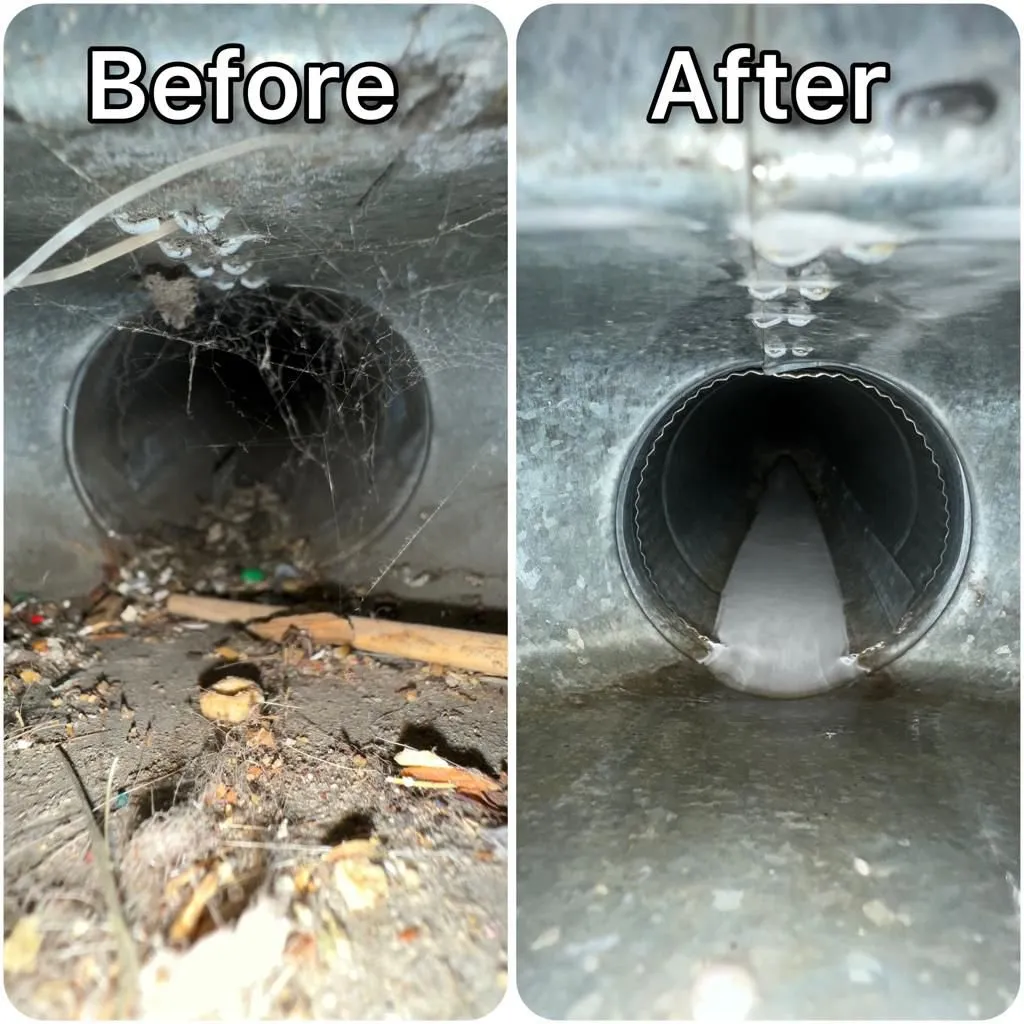
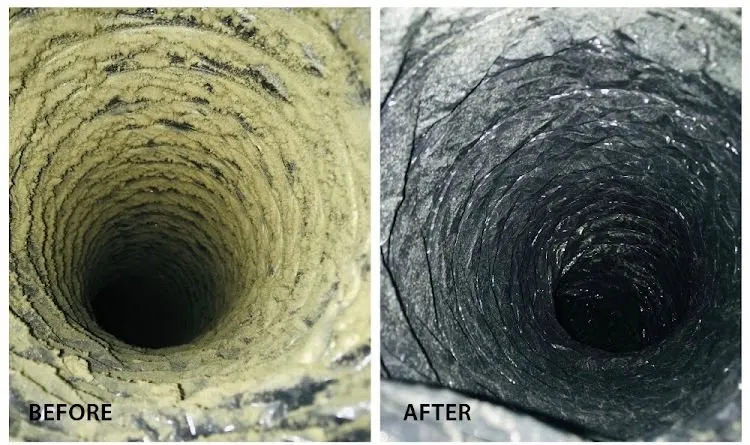
For most homes, that's enough. Duct cleaning isn't a routine step after every smoke event. It's worth considering if a smoky odor lingers after you've changed the filter and aired the house out, or if you see residue blowing from the registers when the system runs. Duct cleaning can help remove built-up dust and debris, but it isn't a health treatment, and it can't undo exposure that already happened. If anyone in your household has asthma, heart or lung conditions, follow your doctor's guidance during smoke events.
How we fit in
American Air Duct Cleaning Of Tacoma cleans air ducts and dryer vents for homes and businesses in Tacoma and nearby communities. If smoke residue or odor seems to linger in your system, basic air duct cleaning covers the supply and return runs and registers for $199, up to 10 vents, plus $29 for each additional vent. When the smell comes from just one or two rooms, deep duct cleaning targets those vents at $59.99 per vent.
We don't sell air purifiers or ozone treatments. Learn more about air duct cleaning or see our pricing page.