Candle Soot, Incense and Cooking Smoke: Your Ducts
Dark marks around vents or a lingering smoky smell? How candles, incense and cooking smoke relate to your ducts, and what to fix before booking a cleaning.
Long, damp months around Tacoma mean a lot of time indoors with the windows shut. That's when candles come out, dinners get more ambitious and a cozy evening might include incense. None of that is a problem on its own. But if you've started noticing dark marks around your vents or a smoky smell that hangs around, it's natural to wonder whether the ductwork is involved.
Here's how indoor smoke and soot relate to your ducts and what to do about it.
Where indoor smoke and soot come from
Anything that burns indoors puts tiny particles into the air. Common sources in a typical home include:
- Candles, especially when the wick is long or the flame flickers
- Incense and smudge sticks
- Searing, frying and broiling on the stovetop or in the oven
- Burnt food and smoke from a toaster or oven
- A wood stove or fireplace when it backdrafts or a door is opened
The EPA notes that everyday activities like cooking, cleaning and smoking can contribute more particles to indoor air than dirty ducts do. In other words, the ducts are usually on the receiving end, not the source.
What happens when smoke reaches the ducts
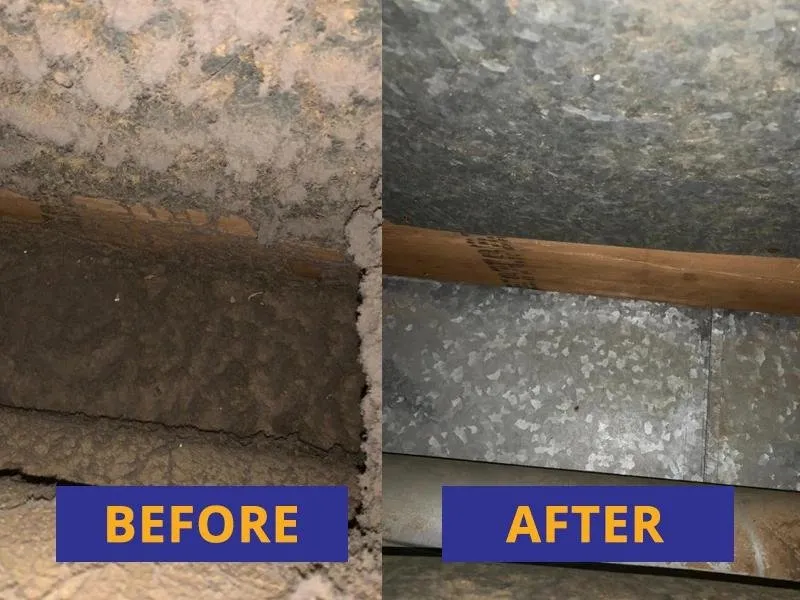
Your HVAC system's return vents pull room air back toward the furnace or heat pump, and some of whatever is floating in that air comes with it. A good filter catches much of it. What gets past the filter, or moves through the return ducts before it reaches the filter, can settle on surfaces along the way.
That's why you may notice:
- Darker dust on return grilles than on supply registers
- Gray or dark marks on the ceiling or wall around a supply register, where moving air deposits fine particles
- A smoky or stale smell when the system first starts after sitting idle
A few marks around one register don't mean your entire system is coated. And dark streaks near vents can have other causes, like fine household dust or moisture, so it's worth looking closer before drawing conclusions.
Fix the source first
The EPA's general advice on duct cleaning is to correct the cause of a problem before cleaning, or it will likely come back. For smoke and soot, that means changing habits more than changing ducts:
- Trim candle wicks and keep candles out of drafts so they burn cleanly. Never leave them unattended.
- Burn incense less often or in a room you can ventilate, and open a window briefly afterward when weather allows.
- Use the range hood or kitchen exhaust fan every time you cook on the stovetop, and run it a few minutes after.
- Clean or replace the range hood filter on the manufacturer's schedule.
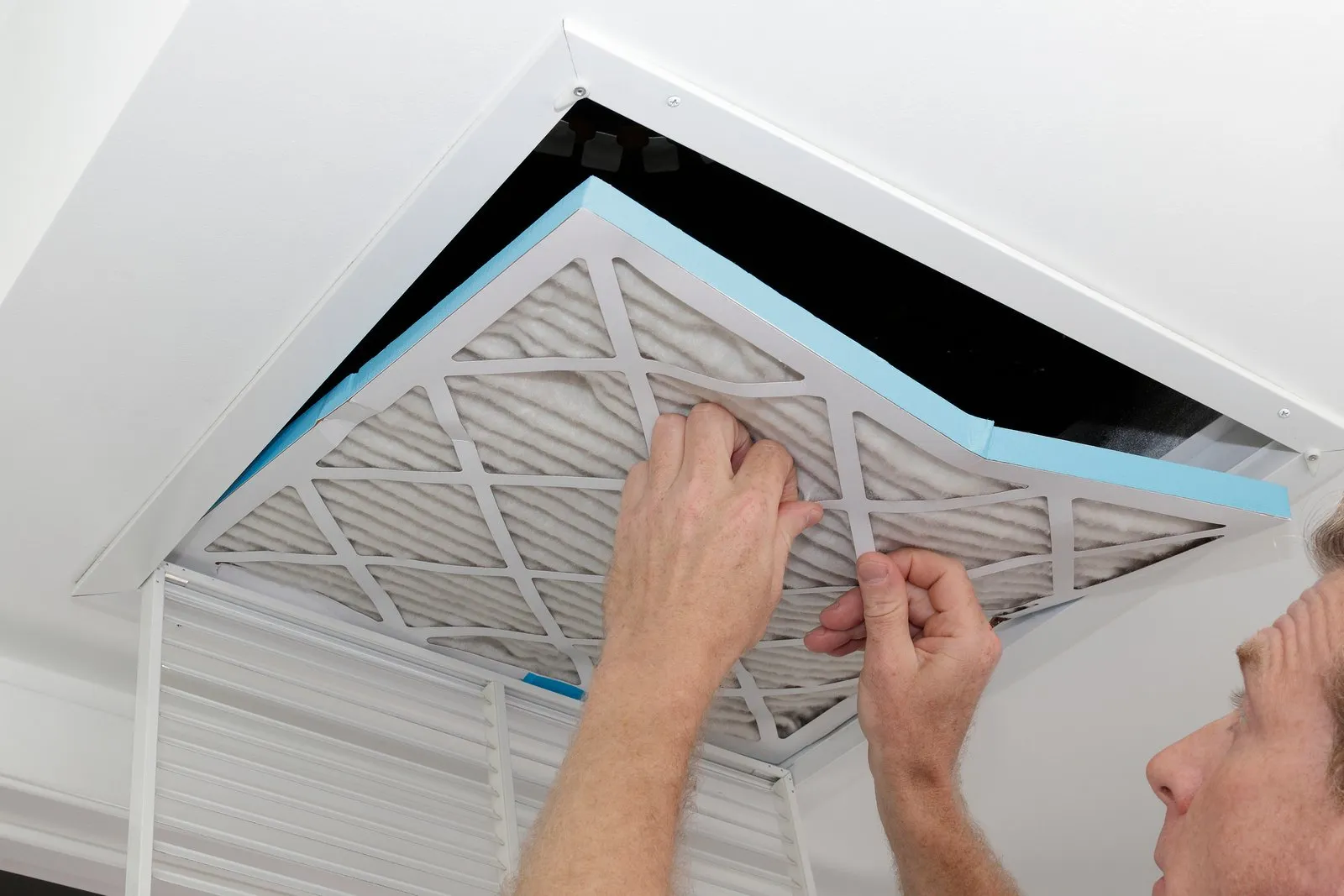
- Change your HVAC filter regularly. The EPA recommends the highest-efficiency filter your system's manufacturer allows.
- Have the fireplace or wood stove checked by a chimney professional if smoke is getting into the room. That isn't something we do.
Once the source is under control, wipe down register grilles and nearby surfaces and give it a few weeks. Many households find that's enough.
When a duct cleaning makes sense
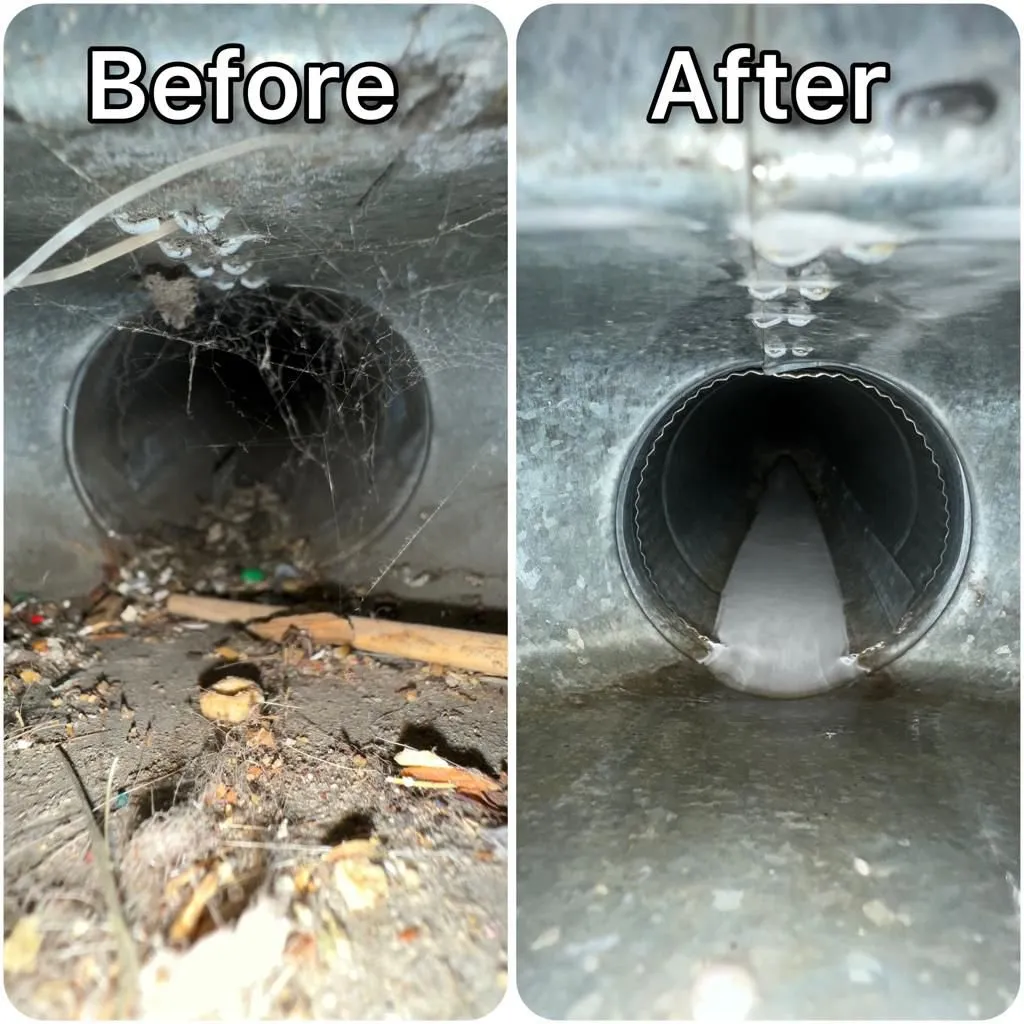
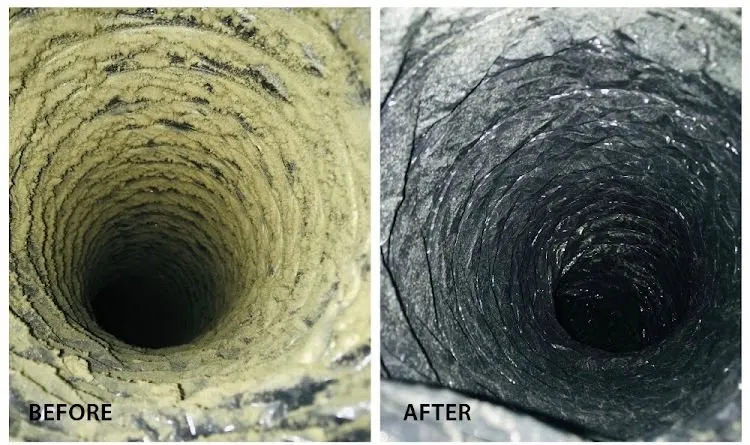
If you've dealt with the sources and still see dark dust blowing from supply registers, or the smell is strongest right at the vents, a cleaning is reasonable. The EPA lists particles being released into the home from supply registers as one of the situations where cleaning should be considered.
Our air duct cleaning covers the supply and return ducts and the registers. Rotating brushes loosen buildup along the duct walls and a HEPA-filtered vacuum removes it. Basic cleaning is $199 for the first 10 vents, then $29 for each vent after that. If the problem is concentrated near the kitchen or one room, deep duct cleaning at $59.99 per vent lets you focus on those runs. Every price is listed on our pricing page.
Keep expectations realistic: a cleaning removes material from the ducts. It doesn't mask odors, and if the source is still active, the residue will build up again.
What a cleaning won't do
Be cautious of anyone promising that a duct cleaning will remove all smoke odor from a home. Soot and smell can settle into walls, ceilings, carpets and furniture too, and those surfaces need their own cleaning. If you've had an actual fire, even a small one, contact your insurance company and a fire restoration specialist before booking any duct work.
A simple plan
- Address the smoke sources: candles, incense, cooking and the fireplace.
- Change the HVAC filter.
- Wipe down grilles and watch for a few weeks.
- If dust or odor at the vents continues, have the ducts cleaned.
Our service areas page lists the towns we cover around Tacoma.
If you've reached step four, request a free estimate from American Air Duct Cleaning Of Tacoma. We'll look at the registers and give you an honest read on whether a cleaning will help.
Sources
- Should You Have the Air Ducts in Your Home Cleaned?, U.S. EPA, last updated February 19, 2026
- A Brief Guide to Mold, Moisture and Your Home, U.S. EPA, last updated February 18, 2026