Damp Climate, Closed Windows and Musty Ducts
Months of rain and closed windows raise indoor humidity. How that moisture affects ducts and dryer vents in Tacoma, WA, and simple ways to keep air dry.
From October through spring, most homes in the South Sound are buttoned up tight. Windows stay closed against the rain, the heat runs, and the same indoor air circulates for months. Cooking, showers, laundry and even breathing add moisture to that air every day. With nowhere to go, it builds up.
That extra humidity shows up as condensation on windows, damp corners and sometimes a stale smell when the heat comes on. It also affects your ducts and dryer vent. Here's how, and what you can do about it in a Tacoma home.
Where indoor moisture comes from
Outdoor rain gets the blame, but much of the moisture in a closed-up house is made inside it:
- Showers and baths
- Cooking, especially boiling water
- Drying clothes indoors on racks
- Houseplants and aquariums
- A dryer vent that leaks or exhausts indoors
- A damp crawlspace or basement
The EPA's guidance on mold recommends keeping indoor humidity below 60 percent, and ideally between 30 and 50 percent. An inexpensive humidity meter from a hardware store will tell you where your home stands.
How humidity affects ducts
Ducts aren't supposed to be wet. But high humidity can affect them in a few ways.
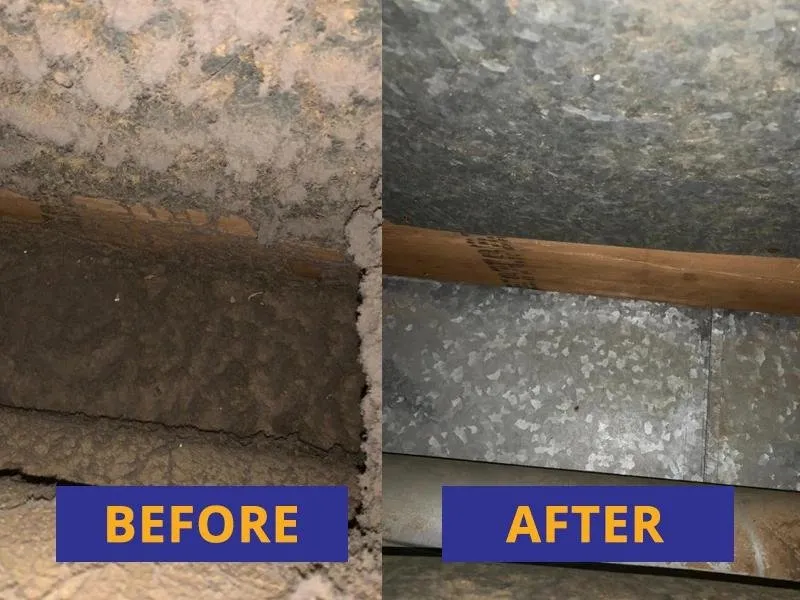
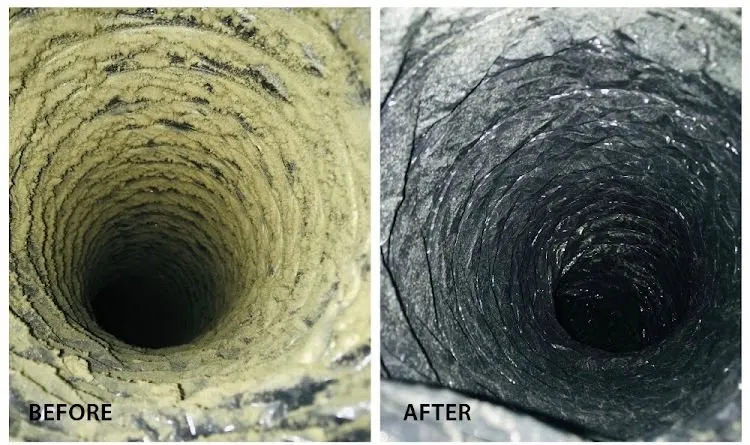
Dust holds moisture and odors. Ducts always collect some dust. In a damp house, that dust can pick up a stale or musty smell, which you notice each time air moves through the system.
Cold duct surfaces can sweat. Metal ducts in an unheated crawlspace, garage or attic can get cold, especially if they aren't insulated. Where moist air meets a cold metal surface, condensation can form on the duct or near the registers.
Crawlspace ducts pull in damp air. Small gaps at joints let crawlspace air into the system, especially on the return side. If the crawlspace is damp, that air is too.
If you see water, staining or visible growth on ducts or around the furnace, the moisture source needs attention first. Mold should be evaluated and handled by a qualified mold professional, and the EPA notes that mold will likely return if the moisture problem isn't fixed.
The dryer vent connection
Your dryer may be the largest single source of moisture in the house on laundry day. All of that water is supposed to leave through the vent. When the vent is partly clogged, disconnected or crushed behind the machine, some of that humid air ends up in the laundry room or wall cavity instead.
Signs the dryer is adding moisture to your home:
- The laundry room feels steamy while the dryer runs
- Condensation on nearby windows or walls during laundry
- Lint collecting behind or around the dryer
- Clothes still damp at the end of a normal cycle
Follow your dryer manufacturer's instructions on venting. A gas dryer must never exhaust indoors. A clear, properly connected vent that exhausts outside is the goal.
Everyday habits that keep the air drier
- Run bathroom fans during showers and for a while afterward.
- Use the range hood when cooking, and make sure it vents outside if it can.
- Open windows briefly on dry days, even in winter, to swap out humid air.
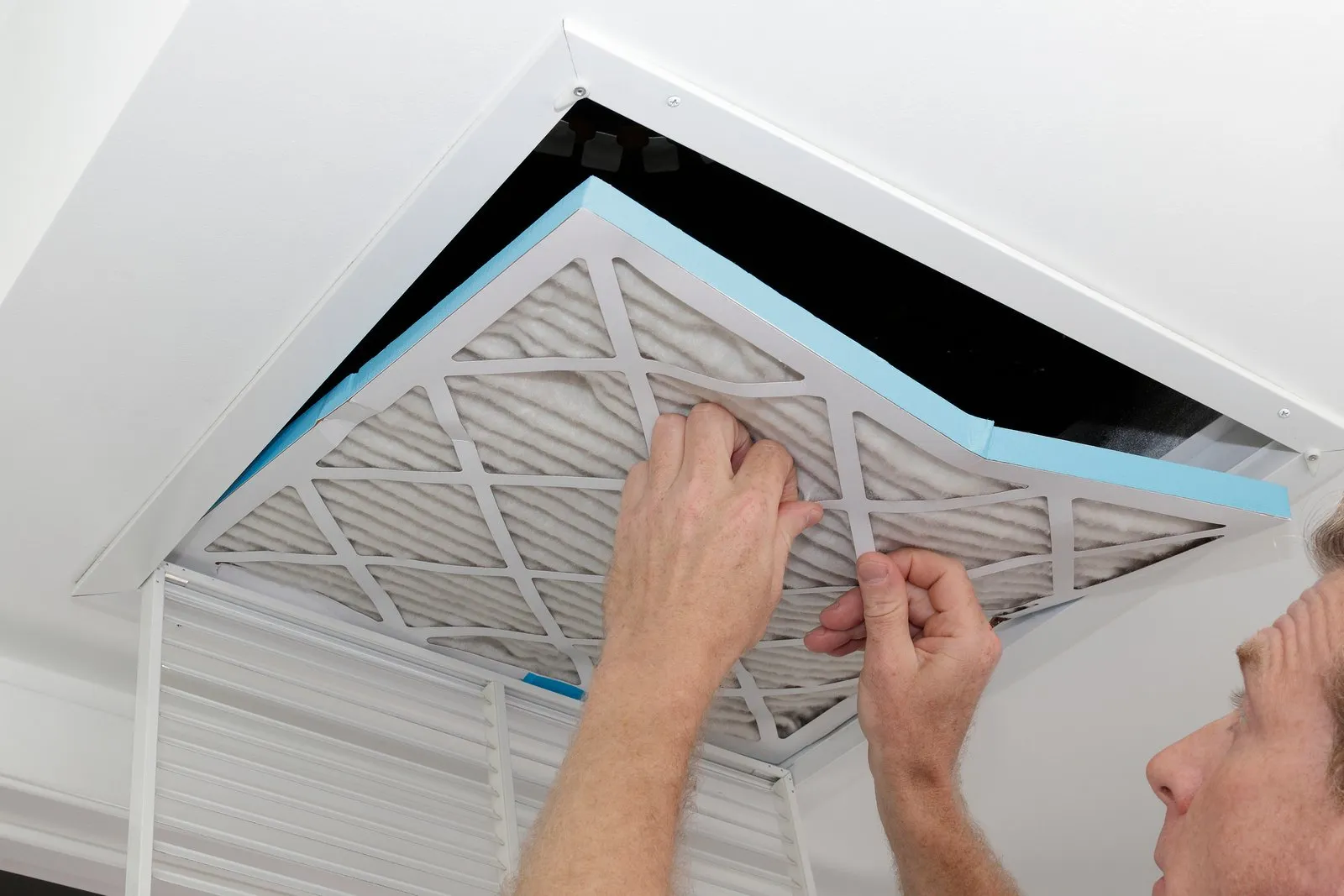
- Change the HVAC filter on schedule. A clogged filter reduces airflow through the system.
- Keep the lint screen clean before or after every load, as the U.S. Fire Administration recommends.
- Check the crawlspace for standing water or a torn vapor barrier after heavy rain.
- Consider a dehumidifier for basements or rooms that stay damp.
When cleaning helps
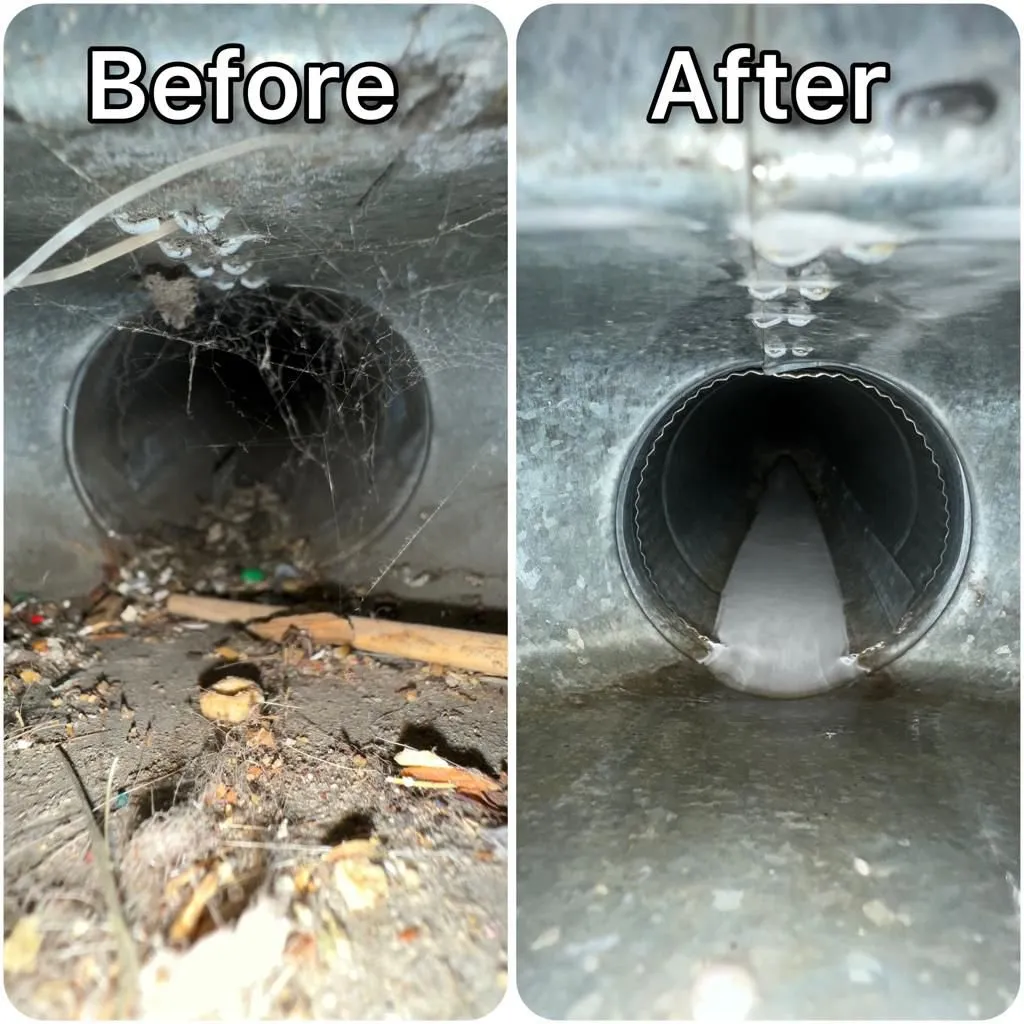
If moisture problems have been solved and the house still smells stale when the heat runs, dust built up in the ducts may be holding onto that odor. Cleaning can help remove that buildup. The same goes for a dryer vent that's partly blocked: clearing it lets moist air leave the house the way it should.
American Air Duct Cleaning Of Tacoma offers air duct cleaning at $199 for up to 10 vents, plus $29 per additional vent, and dryer vent cleaning at $99 for up to 10 feet, plus $15 per extra foot.
We serve Tacoma and nearby communities. See air duct cleaning, dryer vent cleaning or our pricing page.